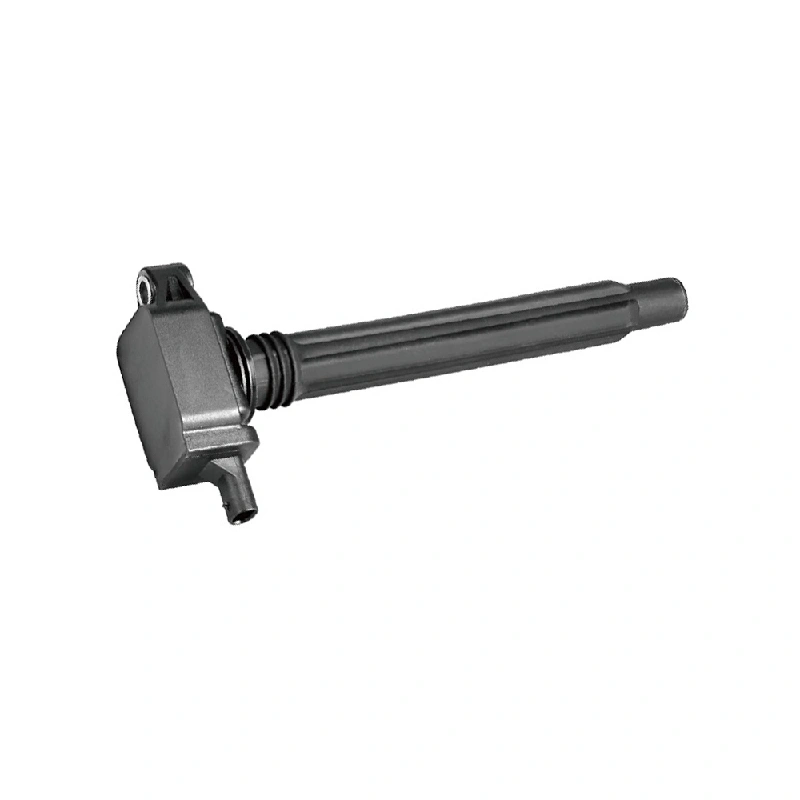



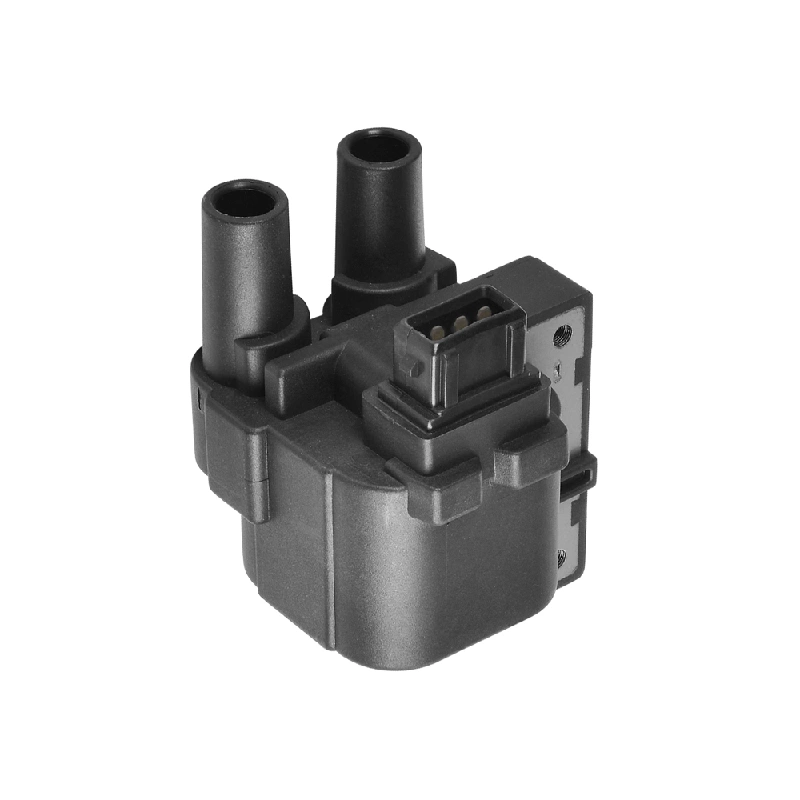
Product Detail
| ST NO. | Brand | OEM No. | Model(s) & Years | PINS | MODULE |
| STIC5002 | RENAULT | 7700100589 | RENAULT MEGANE 1.6L (1996-1999) RENAULT KANGOO 1.4L (1997-/) RENAULT CLIO 1.4L / 1.6L (1998-2005) |
3 PINS | WITHOUT |
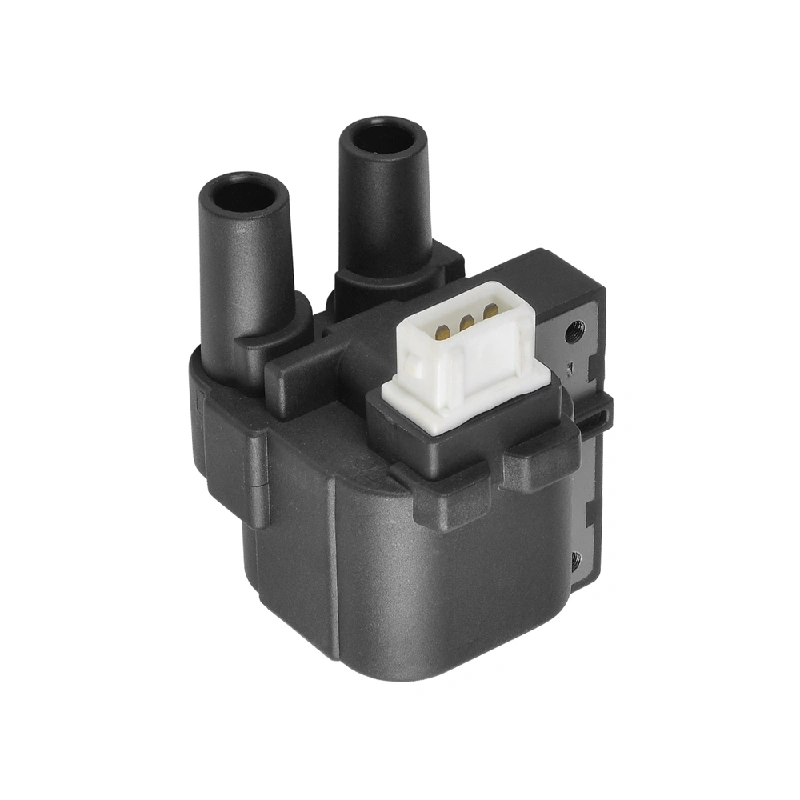
This Renault ignition coil is developed for the listed part number 7700100589. It is a 3 pins ignition coil without module, supplied according to the Renault product information shown on this page.
For this product, the listed part number, connector form, without-module structure, and original coil details should be checked together. This helps reduce wrong selection when similar Renault ignition coils have close housing shapes, plug directions, or catalog descriptions.
Product Matching Details for 7700100589
Listed Part Number
Confirm 7700100589 before quotation, sample review, catalog listing, or order preparation. Part number checking should come before judging only by product photo, general Renault name, or similar coil shape.
3 Pins Connector
The 3 pins connector is a key identification point for this ignition coil. Connector shape, pin layout, plug direction, and mounting position should be compared with the original coil before final confirmation.
Without Module Type
This ignition coil is supplied without module. The module status should be checked together with connector details to avoid mismatch during replacement matching, stock planning, or batch procurement.
Ignition Use and Supply Preparation
A correctly matched ignition coil helps deliver the high-voltage spark required for combustion, supporting smoother starting, steadier idle, and more consistent engine response after replacement. It can be included in ignition system inspection when misfire, rough idle, hard starting, weak acceleration, or unstable running appears.
Before quotation, sample approval, or regular supply discussion, prepare the listed part number, 3 pins connector, without-module structure, order quantity, packaging request, label content, and expected delivery time. Original coil photos and connector close-ups can help compare visible details faster and improve confirmation efficiency before supply arrangement.
Related Products